
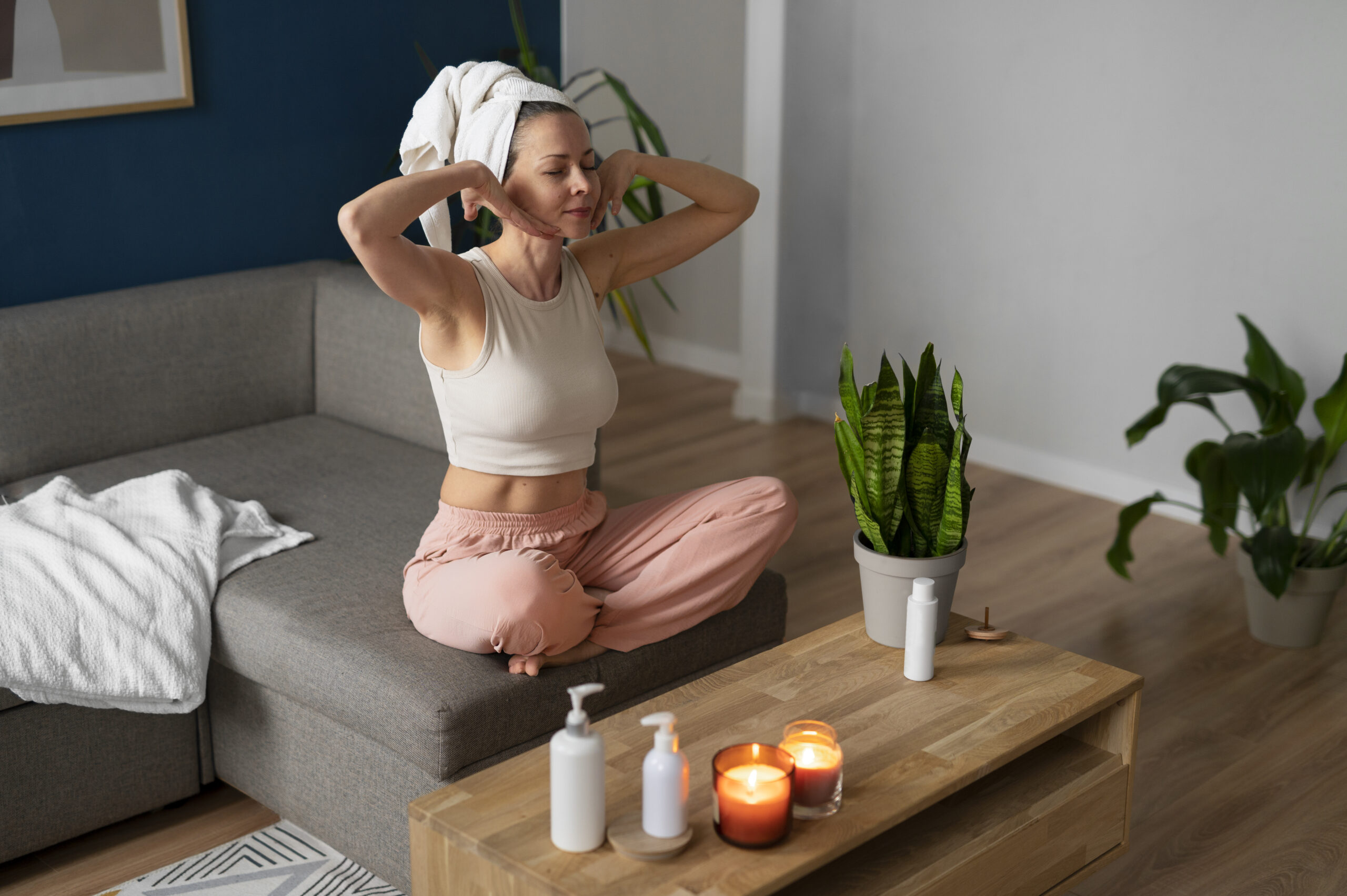
In our fast-paced world, it’s easy to get caught up in work, responsibilities, and endless to-do lists. Often, we forget to take care of the most important person: ourselves. Practicing self-care isn’t just about indulgence; it’s essential for maintaining a healthy mind and body, reducing stress, and improving overall quality of life.
Understanding Self-Care
Self-care involves intentional actions that nurture your mental, emotional, and physical well-being. It’s about creating habits that recharge your energy, strengthen resilience, and help you stay balanced. Consistent self-care can prevent burnout, boost productivity, and enhance your mood.
Physical Self-Care
Your body is your foundation, and taking care of it is crucial.
-
Exercise Regularly: Physical activity, even a short walk or stretching session, helps maintain fitness, improves circulation, and releases endorphins that boost mood.
-
Eat Mindfully: A balanced diet rich in fruits, vegetables, and whole grains fuels your body and mind. Avoid skipping meals and stay hydrated.
-
Rest and Sleep: Quality sleep is vital for both mental and physical health. Establish a sleep routine and ensure 7–8 hours of rest each night.
-
Relaxation Practices: Activities like yoga, meditation, or deep breathing reduce stress and help maintain physical and mental balance.
Mental and Emotional Self-Care
Taking care of your mind is just as important as caring for your body.
-
Mindfulness and Meditation: Spend a few minutes each day focusing on your breath or practicing mindfulness. This helps reduce anxiety and improves concentration.
-
Digital Detox: Limit screen time, especially on social media, to avoid information overload and maintain mental clarity.
-
Journaling: Writing down thoughts, goals, or reflections can help process emotions and promote self-awareness.
-
Positive Connections: Surround yourself with supportive and positive people. Healthy relationships enhance emotional well-being and reduce stress.
Creating a Self-Care Routine
The key to effective self-care is consistency. Start with small, achievable steps and gradually build a routine that works for you. Some tips to create a sustainable self-care routine:
-
Set aside specific times each day for self-care activities.
-
Mix physical, mental, and emotional practices for a holistic approach.
-
Treat self-care as non-negotiable, not a luxury.
-
Track your progress and notice improvements in energy, focus, and mood.
Benefits of Self-Care
Consistent self-care provides numerous benefits:
-
Improved mental clarity and focus.
-
Reduced stress and anxiety levels.
-
Enhanced physical health and energy.
-
Stronger emotional resilience and positivity.
-
Better sleep quality and overall life satisfaction.
Final Thoughts
Self-care is a lifelong practice, not a one-time activity. It’s about listening to your body and mind, understanding your needs, and making choices that support your well-being. By prioritizing yourself, you are better equipped to handle challenges, maintain balance, and lead a fulfilling life.
Remember, taking care of yourself is not selfish it’s necessary. Start small, stay consistent, and watch how these self-care habits transform your mind, body, and overall lifestyle.